Best Raised Garden Bed Kits for Beginners (No Yard Experience Needed)
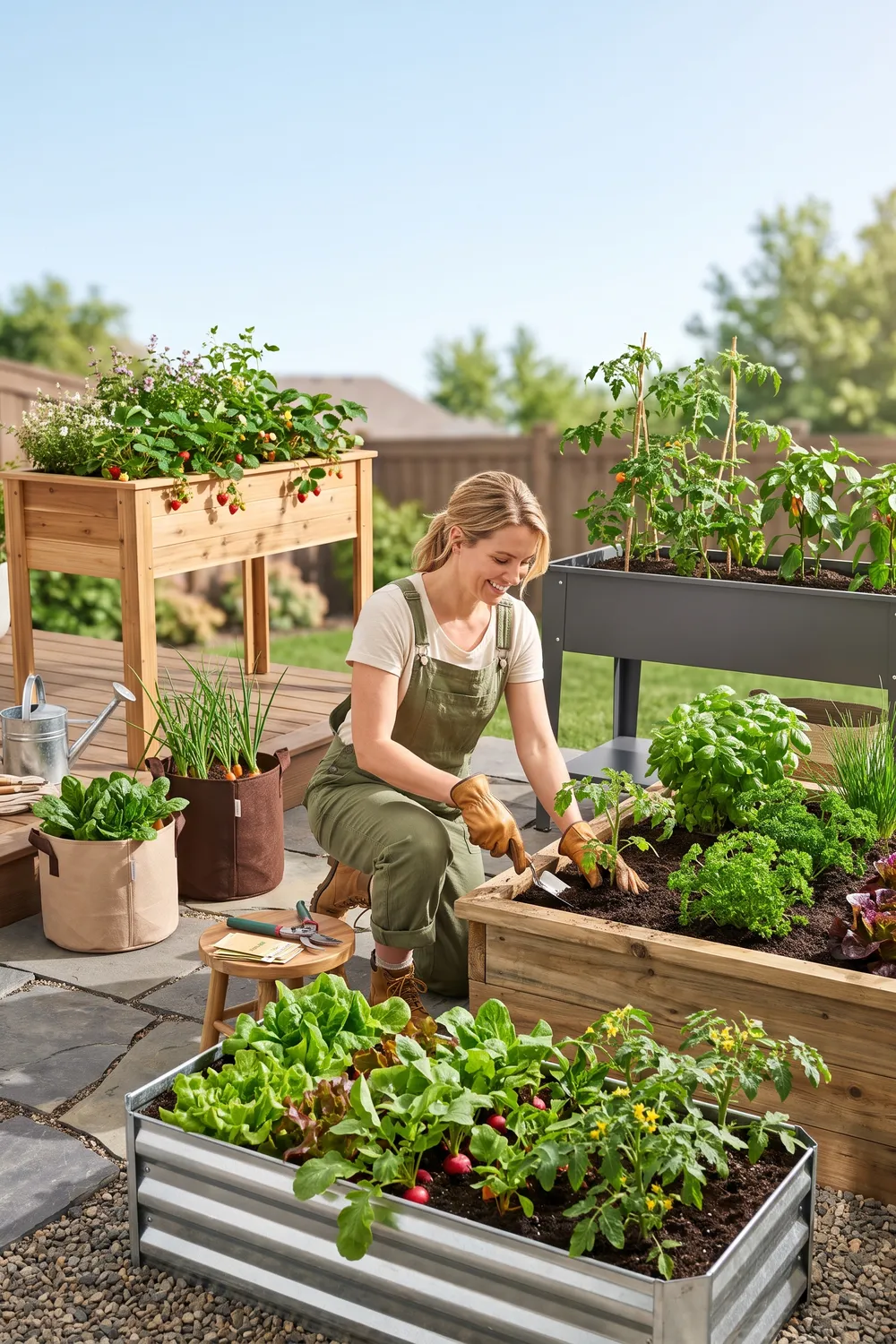
A raised bed solves the two biggest problems with starting a garden from scratch: you’re not fighting whatever soil is already in your yard, and you’re not guessing where the property line between “garden” and “weeds” is supposed to be. The kit you pick should match your actual space and how much you want to deal with year to year, not just whichever one looks best in a photo.
Quick comparison
| Kit | Best for | Material | Setup |
|---|---|---|---|
| Vegega Metal Raised Bed | Most yards, most vegetables | Galvanized steel | Tool-assisted, about 30 minutes |
| Greenes Fence Cedar Bed | Natural look, cooler soil in summer | Cedar wood | Tool-free, dovetail panels |
| Birdies Raised Garden Bed | Gardening for years, not one season | Aluzinc-coated steel | Tool-assisted |
| Keter Urban Bloomer | Patios, decks, small footprints | Plastic/composite, elevated | Quick, minimal tools |
| Fabric grow bags | No yard at all, renters | Breathable fabric | None, just unfold and fill |
Vegega Metal Raised Bed
A 17-inch-deep galvanized steel bed, which is deep enough for root vegetables and tomatoes without needing a second, deeper bed later. The metal is food-safe and resists rust and pests on its own, and it holds heat, which extends the growing season if you’re somewhere with cool spring or fall nights. Assembly takes basic tools and runs around 30 minutes.
The catch: metal absorbs more heat than wood in direct summer sun, which can stress the roots of heat-sensitive crops like lettuce or spinach if the bed sits somewhere with no afternoon shade.
Greenes Fence Cedar Raised Bed
Cedar is naturally rot- and insect-resistant, so it doesn’t need chemical treatment to be safe for growing food, and it stays noticeably cooler than metal in direct sun. The panels dovetail together without screws or tools, which matters if “no yard experience” also means no toolbox.
The catch: cedar beds typically last five to ten years, shorter than metal, and get more life out of that if you seal the inside of the boards every year or two. Skip that step and you’ll replace it sooner.
Birdies Raised Garden Bed
Aluzinc-coated steel built to not corrode or leach into soil over time, which is the real selling point: gardeners who’ve owned these for years report beds still performing the same as when they were new. This is the pick if you’re planning to garden in the same spot for a long time, not just trying it out for one summer.
The catch: it costs more upfront than the other metal and wood options here. That cost buys longevity, but it’s a harder buy if you’re not sure gardening is going to stick.
Keter Urban Bloomer
An elevated bed built for patios, balconies, and decks rather than open yards, with legs that adjust from 12 to 20 inches, useful for matching other furniture or just avoiding bending down to garden level. Setup is quick and doesn’t require serious tools.
The catch: the growing space is compact, good for herbs and leafy greens, too small for tomatoes or anything that sprawls. This is a bed for a small, specific harvest, not a full vegetable garden.
Fabric grow bags
The actual answer to “no yard needed.” A grow bag needs no assembly, no tools, and no permanent structure, just unfold it, fill it with soil, and set it on a balcony, patio, or any flat surface that gets enough sun. The breathable fabric also helps prevent roots from circling the way they can in a solid plastic pot.
The catch: bags dry out faster than a wood or metal bed because the fabric breathes on all sides, so in hot weather they need more frequent watering to compensate.
Picking one
If you have a yard and some sun, a ground-level metal or cedar bed is the standard choice: metal if you want it to last with zero upkeep, cedar if you’d rather it look and feel like a garden and don’t mind sealing it occasionally. If you’re on a patio, balcony, or don’t want a permanent structure at all, skip the ground-level beds entirely and start with an elevated bed or a grow bag instead. A bed that doesn’t fit your space fails before a single seed goes in the ground, no matter how many good reviews it has.